About Amy
We shape each other.
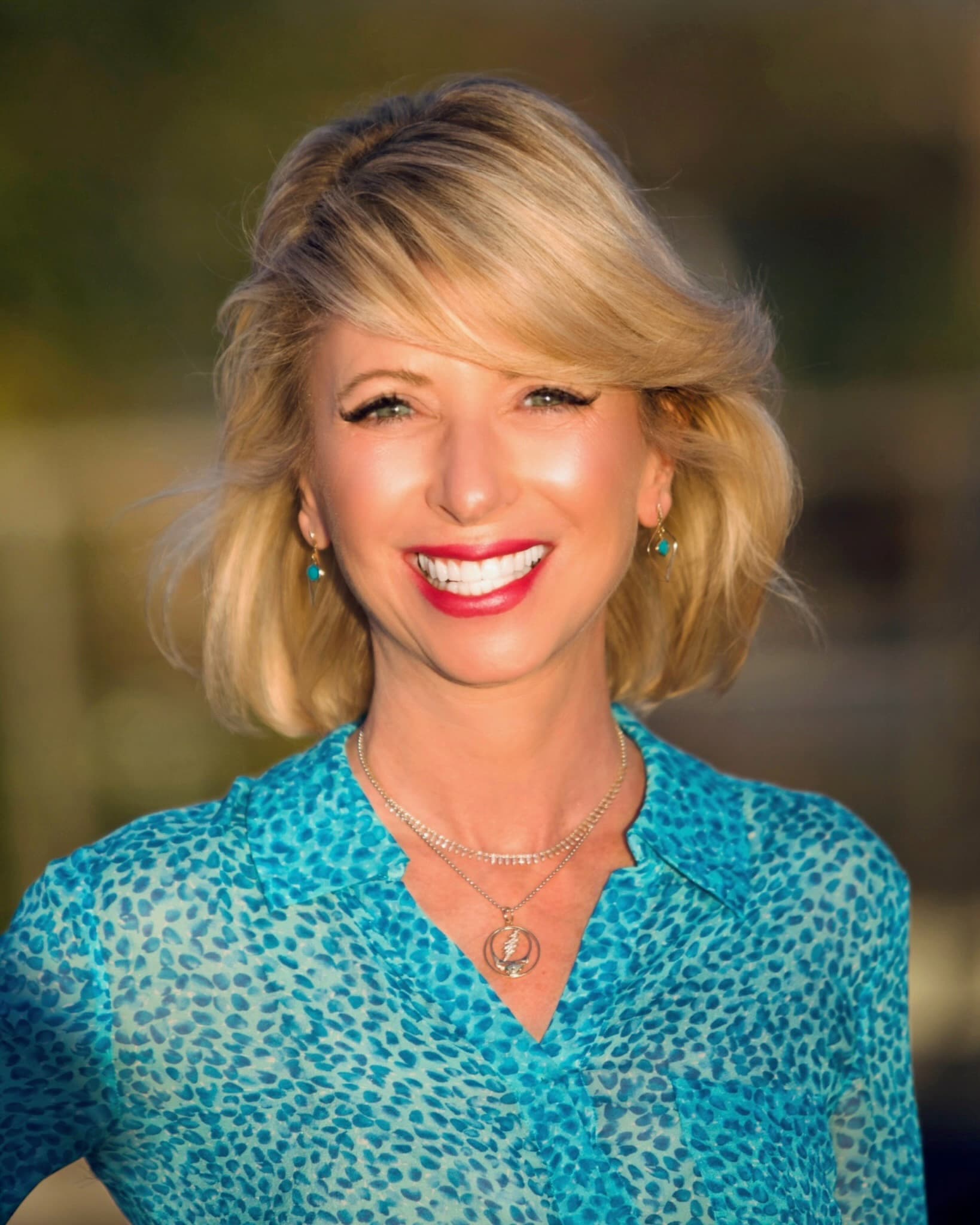
I'm a social psychologist. I study how we affect one another — how our presence and our judgments shape what the people around us think, feel, and do. I've spent twenty-five years on it because I believe that when we understand these forces, we can treat each other better, and help people show up as themselves in the moments that matter most.
Long before I had the science for any of this, I was the kid who wanted everyone to feel they belonged — who hated watching someone get left out, who tried to mend the fight instead of pick a side. That's what drew me to this work: I wanted to understand how people connect, why they turn on each other, and whether what divides us can be repaired.
There was also an accident. At nineteen, I was thrown from a car on the highway and woke up in a brain-injury ward. The doctors told me I probably wouldn't finish college. I'd been a kid in gifted programs, fast-tracked, certain that my mind was the thing I could count on — and now the people who knew me best said I'd become someone they didn't recognize. It took four years of recovery before I could even re-enroll, and then I had to relearn how to learn. I started over three times before it stuck, and finished my degree at twenty-five, not twenty-one. The injury left me with something I never expected to be grateful for: a lasting fascination with how the mind works, how much of it we can rebuild, and how differently the world treats you once it decides what you're capable of.
What we do to each other
Those two threads — caring about how we treat one another, and wanting to understand the mind — met in social psychology. I followed the questions to a research job with a social psychologist named Susan Fiske, then into a Ph.D. with her at Princeton, which I earned in 2005. Together we developed the Stereotype Content Model — a theory of how we size one another up along two dimensions: warmth (can I trust you?) and competence (how capable are you?), and how those judgments drive prejudice, exclusion, and who a society lifts up or pushes aside. Of the two, it's trust that has held me ever since — it turns out to be the ground almost everything good between people is built on. I cared about this work because the cost is human and unequal: these snap judgments help decide who gets believed, hired, trusted, or harmed. And I'll tell you honestly — through much of those years, I was sure I'd be found out. When I told Susan I wanted to quit, she told me to fake it until I became it. I did.
How we carry it
That question — how we judge one another — eventually turned inward. If we're all sized up in an instant, what's happening inside our own bodies while it's happening? That became my work on presence: the postures we hold and the stories we tell ourselves in the moments before everything matters. I taught it for nearly a decade at Harvard Business School, and later as a lecturer in Harvard's psychology department, where my course on power and influence earned a teaching award I still treasure. In 2012 I gave a TED Talk about it that I almost didn't give, because the old fear told me I didn't belong on that stage either. More than 75 million views later — it's now the third most-watched TED Talk of all time — I'm glad I didn't listen. I turned it into Presence, a New York Times bestseller now in more than 35 languages, about bringing your boldest self to the moments that frighten you most. What I never expected was the mail: thousands and thousands of people wrote to me, from classrooms and locker rooms and hospital waiting rooms, to tell me how they'd found their way into a hard moment as themselves. I keep doing this for them — and because I remember being the person who didn't believe she belonged in the room.
When it turns cruel
The questions I started with never let go; they only grew more urgent, and more personal.
Then, in 2015, it came for me. A group of colleagues set out to dismantle my work and my character, and it nearly destroyed me. Studying human behavior prepared me for it about as well as studying the ocean prepares you for a tsunami. But as I found my way through, I saw how far it reaches — how many others were carrying the same wound in silence, and how much it costs us all. It became the most painful experience of my life, and the reason this work matters to me more than anything I've done.
My work now centers on the social psychology of bullying — how reputations get dismantled, how good people get driven out, how silence spreads through a group until decent people become bystanders. But the heart of it isn't the cruelty; it's the answer to it. I call that social bravery: the small, learnable, collective acts that break the silence, protect people's dignity, and make it safe to do the right thing. It's the subject of my new TED Talk and my next book, Bullied: The Culture of Cruelty and the Promise of Social Bravery (HarperCollins, February 23rd 2027).
When it lifts us
I've also kept circling something that's drawn me for as long as I can remember: how we perform — in sports, music, business, medicine, on every kind of stage. It's a different line of work from presence, though the two are clearly related. Presence is about bringing your boldest self to a hard moment; this reaches further — toward what lets us perform at our very best, not just get through. And the answer, again, is other people. The weight of being watched can flatten a performance or lift it past anything we could reach alone — and what tips it toward lift is trust: in the room, in the people beside us, in ourselves. Trust has become the thread through all of it — what social bravery rebuilds, what turns weight into lift, and what I've come to think of as the real conduit of influence, the thing we reach for most when the stakes are highest. It's the heart of my newest thinking, and what I write about for The Athletic.
The short version
For anyone who needs the formal version: I earned my Ph.D. in social psychology at Princeton, taught for nearly a decade at Harvard Business School and at Northwestern's Kellogg School, and my research has appeared in journals including PNAS, Science, and Psychological Science. I've been named a Young Global Leader by the World Economic Forum, a TIME Game Changer, and one of the BBC's 100 Women, and included in the Thinkers50 ranking of management thinkers.


I live in Venice, California, with my husband, Paul. When I'm not working you'll find me roller dancing, on skis, or somewhere with live music — often next to my son, Jonah, a music producer.
Twenty-five years in, it's still one question: how does our presence — and our judgment of one another — shape what we think, feel, and do? And how do we show up anyway?
In the Room
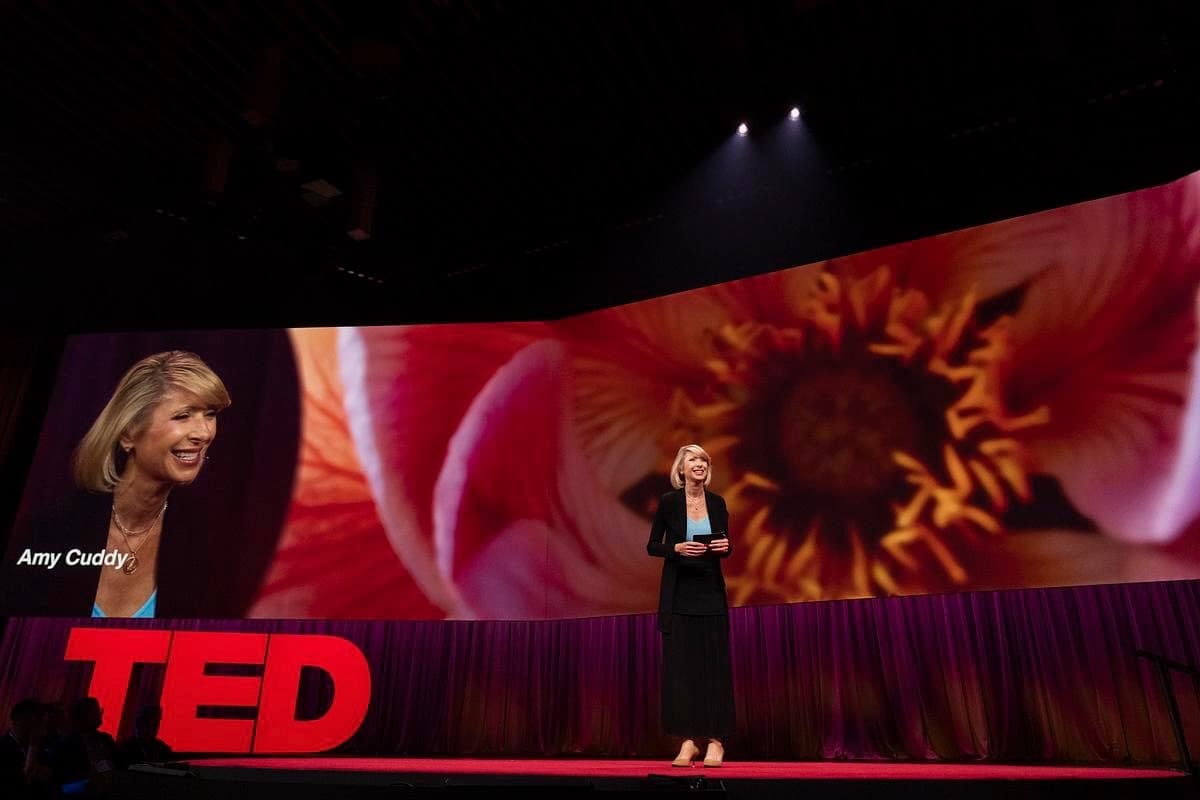
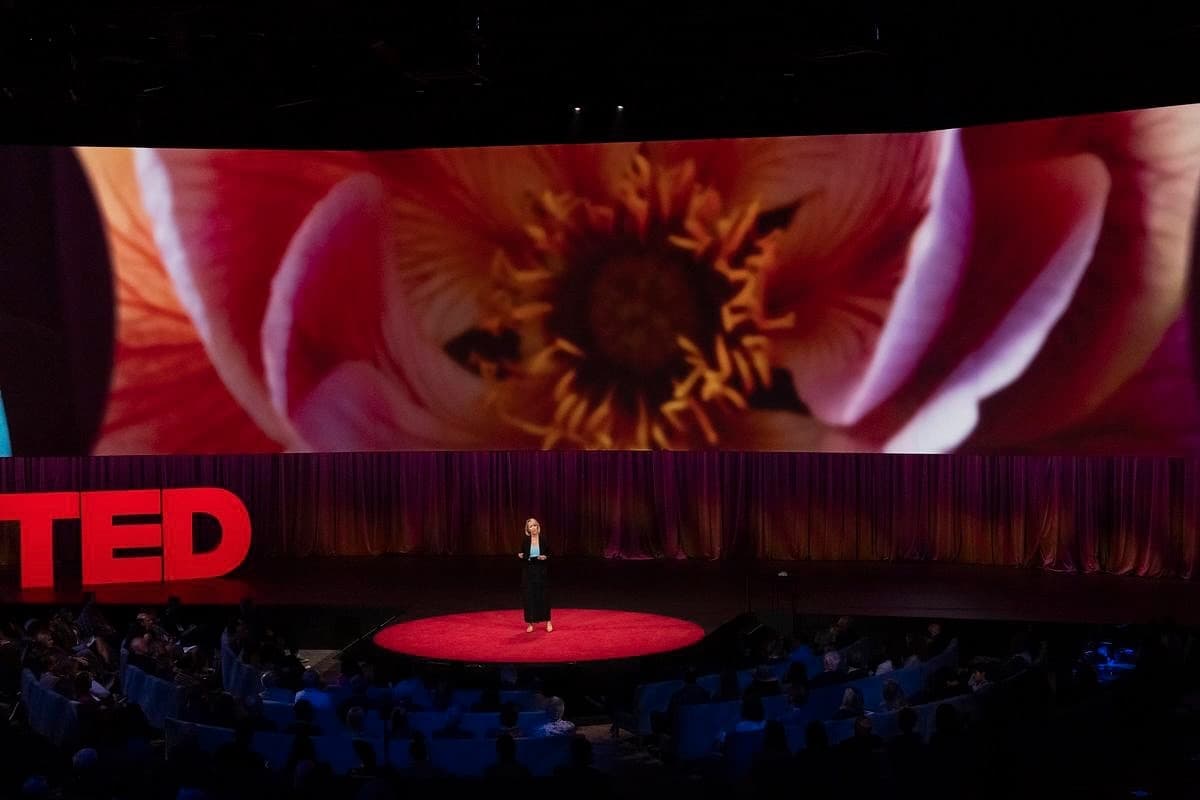
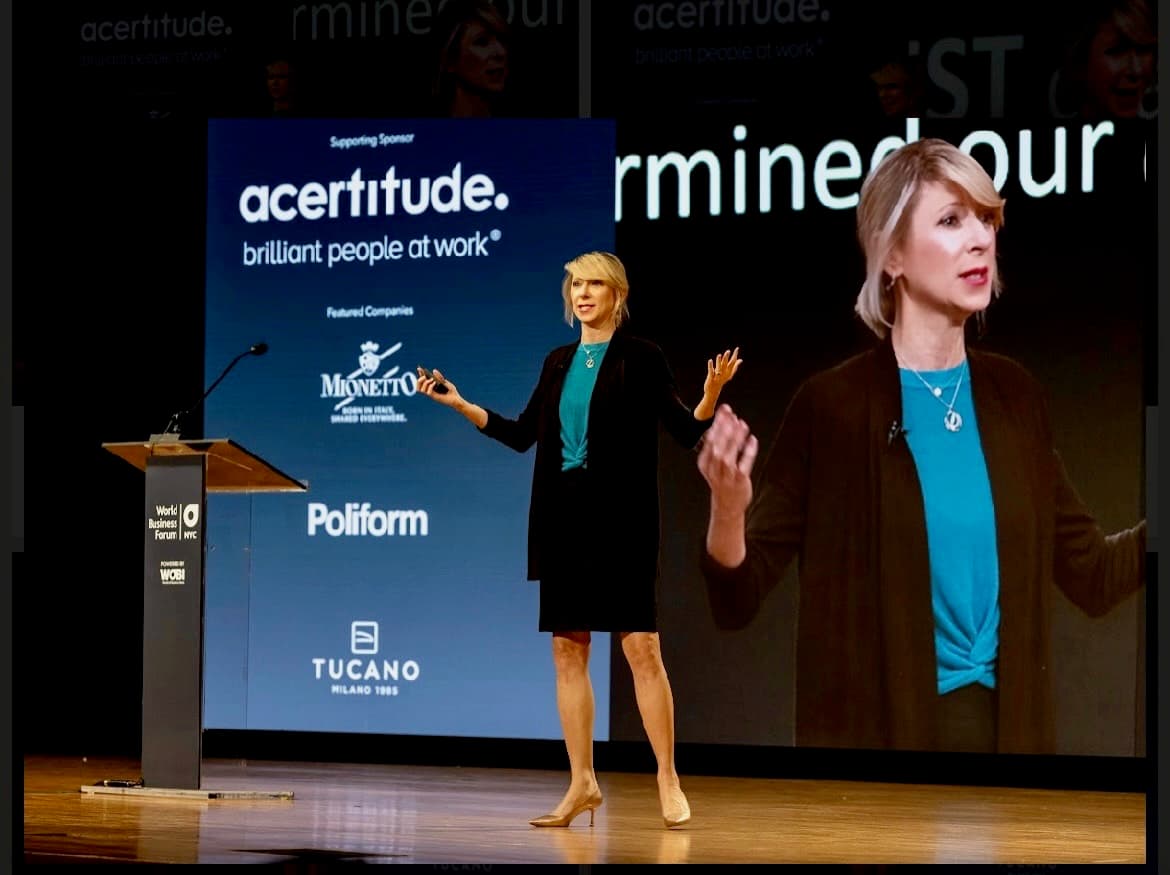
Keep Following the Work
I write when I have something worth saying.
Which is less often than a newsletter is supposed to be — but means it'll actually be worth reading. Research, essays, things I can't stop thinking about.
The Pathological Optimist — free to read. No spam, unsubscribe any time.