Topic
Bullying & Social Bravery
Bullying doesn't stay in the schoolyard. Understanding it — fully — is how we begin to dismantle it.
We tend to think of bullying as a childhood problem. Something kids go through, and then outgrow. But the research tells a different story — and so do the lives of millions of adults who carry the invisible weight of what happened to them at school, at work, and at home.
Bullying is one of the most pervasive and least understood forces in American life. It isn't just about mean kids. It's about power — who has it, who is denied it, how it gets enforced through cruelty, exclusion, and fear. It follows people into their careers, their relationships, and their sense of self for decades. And because we've collectively decided it's a normal part of growing up, we've never fully reckoned with what it actually costs us.
My forthcoming book, Bullied, is the result of years of research, personal experience, and interviews with survivors, educators, policymakers, and scientists. It is not a book about bullying as a problem to be managed. It is a book about power, belonging, and what it means to reclaim both — for individuals and for a society that has normalized cruelty for too long.
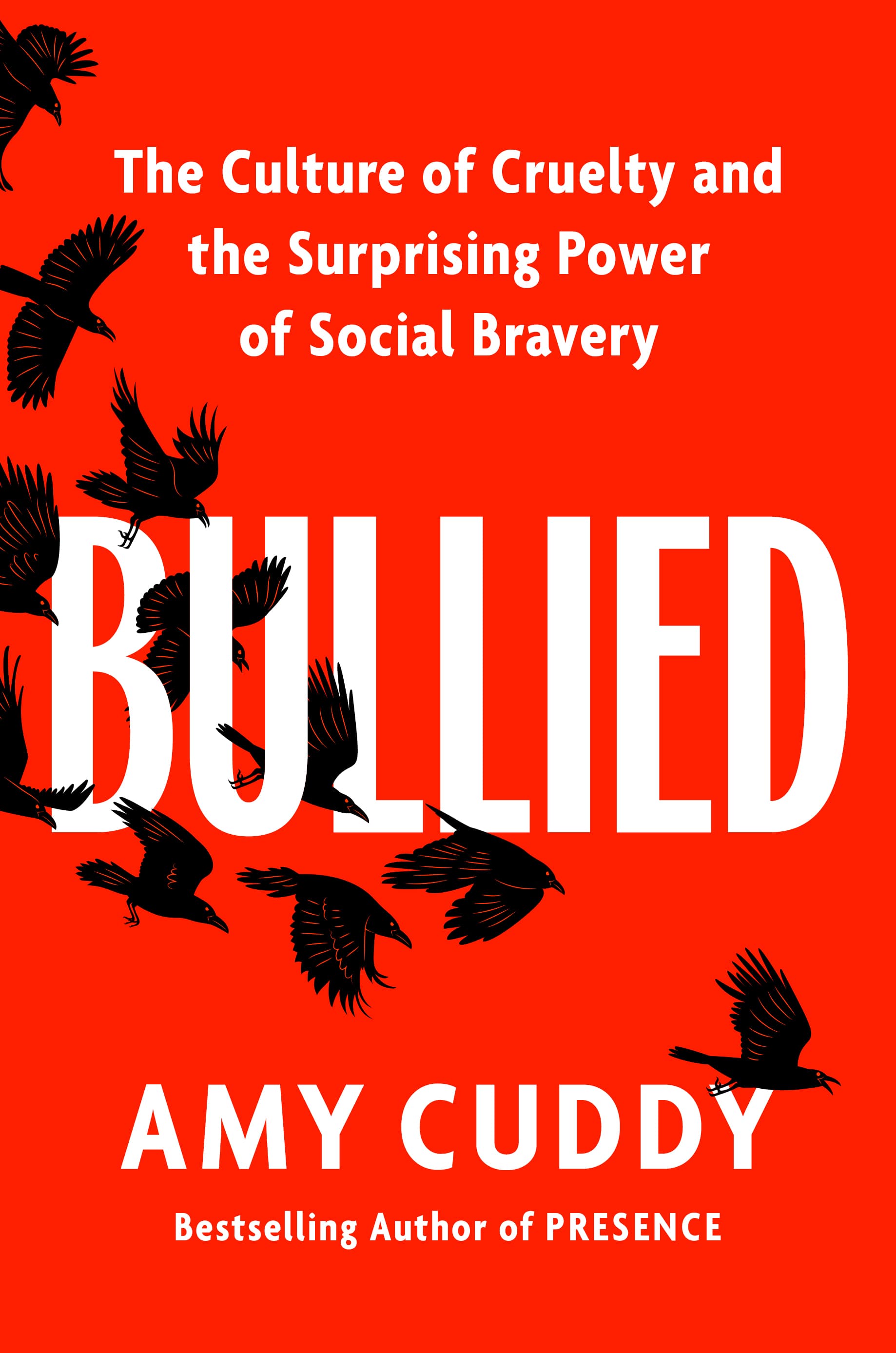
Forthcoming · February 23rd 2027 · HarperCollins
Reclaim your power.
Your story isn't over.
My most personal work — on how bullying shapes us, and what it takes to reclaim dignity, safety, and the capacity to thrive.
Pre-order on AmazonAs an Amazon Associate, Amy earns from qualifying purchases.
What the research shows
Key insights
Bullying is about power, not personality
The research consistently shows that bullying is not primarily driven by individuals with bad character. It is driven by social environments that enable, reward, and normalize the exercise of power through cruelty. Address the environment, and the behavior changes.
The workplace is the schoolyard
Studies on adult bullying in workplace settings show remarkably similar dynamics to childhood bullying: the same power asymmetries, the same bystander effects, the same psychological damage to targets. Bullying grows up with us — it just changes costume.
Exclusion is a form of violence
Social ostracism — being excluded, ignored, and treated as invisible — activates the same neural pathways as physical pain. The experience of being left out is not a soft harm. It is a profound threat to our sense of self, our belonging, and our capacity to function.
Resilience is not the solution
Telling targets of bullying to be more resilient places the burden of a systemic problem on the people harmed by it. Resilience matters — but it is the outcome of recovery, not a strategy for prevention. What actually stops bullying is changing the social conditions that allow it to flourish.
Go deeper
Related resources
Stay Connected
Get my latest research and writing
New insights on presence, power, and what the science actually says — delivered directly to your inbox.
The Pathological Optimist — free to read. No spam, unsubscribe any time.